

The What:
According to NASA, gyroscopes are devices that “tell the onboard computer when the craft has changed its attitude (direction and pointing). The computer then sends the information to the spacecraft’s stabilization device, which can make corrections.”
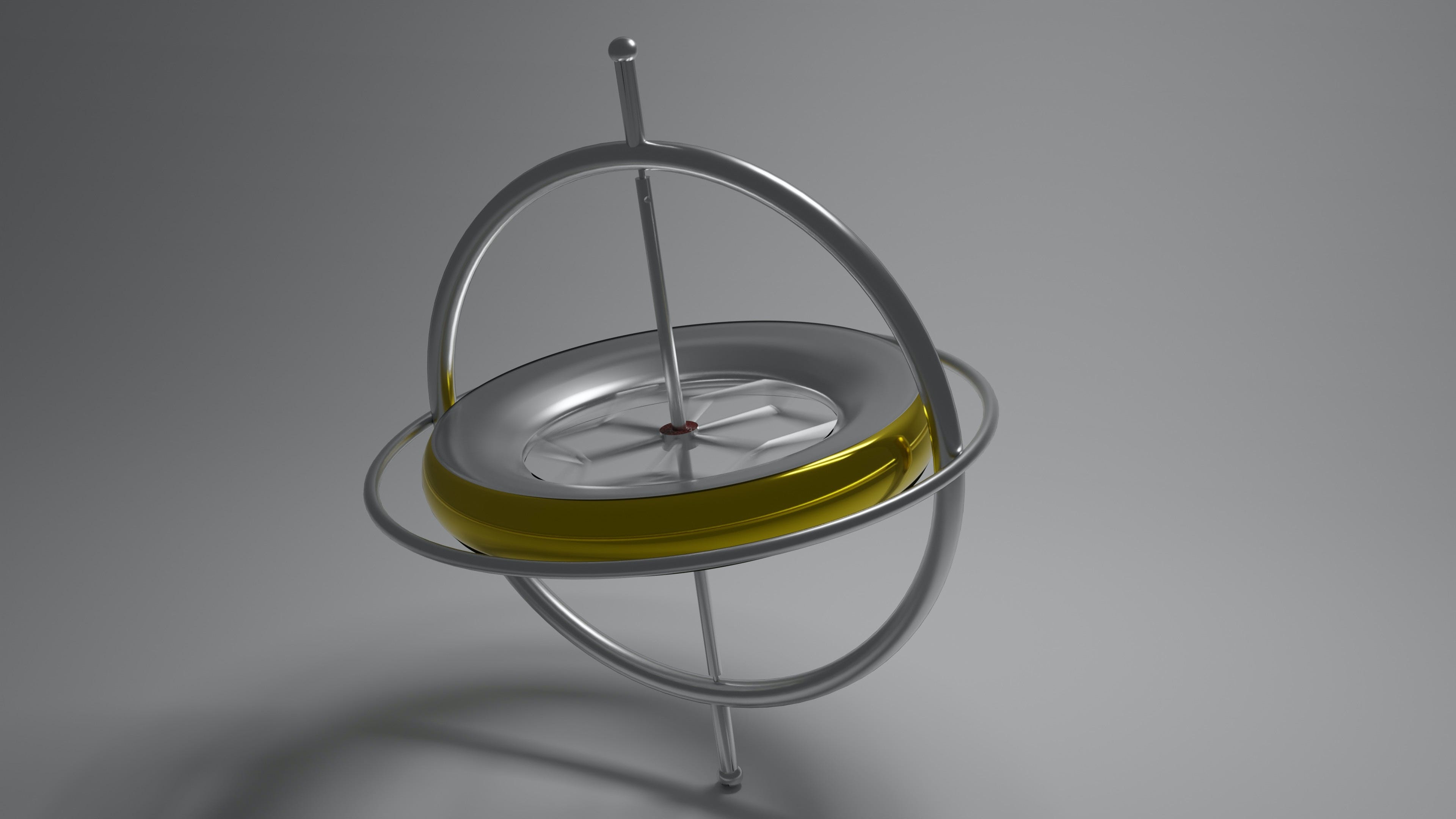
Gyroscopes are essential to ensure that your craft gets you where you are trying to go. For example, if you were on a plane taking off from New York, a few degrees could be the difference between ending up in Seattle or LA. This tiny device is responsible for spaceships, airplanes, and even my phone, helping to orient direction and pointing to where we want to be.
The What If:
What if you could develop your own internal gyroscope?
What if you had the ability to assess where you are, where you’re trying to go, and determine what small corrections you need to get there?
What would it be like to harness the power of your own attitude to ensure your life was heading in the right direction?
#probablyamazing.
The Why:
For me, this is all rooted in the question of alignment. How aligned are you between what you want and what you do to get it?
The question continues to pop up for me with increasing frequency. As a teacher of teachers, I spend most of my day advising a cohort of new-to-profession teachers to ensure they have the knowledge, skills, and mindsets to equip them in the classroom.
Being a new teacher is hard. Many start with the vague notion of teaching as a noble profession, a sense of liking kids, and nostalgic references to either wanting to be like their favorite teacher or a moral commitment to being the teacher they needed growing up.
No matter the reason, all face a brutal reckoning when faced with the reality of teaching and all the hidden work that goes into making a lesson. Lesson plans, curriculum meetings, pacing guides, standardized tests, formative assessments, and backward planning are all elements of their work life. The first misalignment they face is what teaching is versus what they believe it to be.
But that’s a whole other article (winking emoji)
As I’ve been supporting them this term, I keep coming back to the theme of alignment and how it shows up in their work and life.
In their plans, they are trying their best to have the right objective, the right key points, and the right practice, all up to the right assessment. They genuinely want to have good lessons and try to have all the pieces.
In my experience, I’ve seen how they have all the components, but if one part is off —the alignment—it could mean the whole lesson was for naught.
For example, I was working with a student (we’ll call him Will) and on a lesson on IDENTIFYING the components of sound waves.
He did an excellent job of having the objective, key points, and even student practice as we added additional checks for understanding.
It was looking great until we hit the assessment.
The lesson's practice was on IDENTIFYING the components, but the assessment had the students CREATING their own waves.
See the problem?
Will would have had a powerful lesson where students mastered a fundamental skill only to fail the exit ticket through misalignment. Having been a teacher and coach for over a decade, I know this simple misalignment could have a cascade of negative implications.
He could potentially . . .
Question the quality of his own teaching
Develop negative thoughts about the usefulness of lesson plans.
Develop negative connotations or negative reinforcing ones about the capabilities of his students.
Continue to have a gap between what he plans and the execution for students.
In my role as his coach, I used my own gyroscope to help him develop his. Because I had experience and a vision for student mastery, I was able to point this out and help him hone his skill for finding and checking alignment in his lesson plan.
The result? It was the strongest lesson plan he’s taught to date, with students achieving 100% mastery on the exit ticket.
This is just one example, but it’s prompted my interest in examining alignment in other areas of life and studying the gap between the vision and the execution of a particular task.
In my own life, this shows up in my weight loss. I’ve had three children and have managed to keep the baby weight from each one. My oldest is almost nine years old.
That’s 3285 days, or 468 weeks that have passed, where I’ve been dealing with the same issue. To put it simply, it’s way too many.
I tried many things over the years: Optavia, Weight Watchers, calorie counting, daily walks, Kayla Itsines, and Glow with Jo, and I never seem to lose more than 5 pounds before reverting back to habits and negative cycles of thinking about myself, and my inability to hit a goal.
This notion of inner alignment resonates with me because, of course, I haven’t managed to lose weight. Duh!
I’m doing parts and pieces but don’t have a simple, cohesive system to work toward the goal. I haven’t been conscious enough of my attitude—the direction and pointing of my actions.
I can’t walk every day and then not track my intake consumption.
I can’t be disciplined all week to then fall off on the weekends.
I can’t pretend that calories in my favorite gummies and glass of wine magically don’t exist.
Simply put, I’m doing things, but not doing the RIGHT things in CONCERT, and not evaluating my progress to my destination.
No wonder I feel off track.
Like the lesson with Will, I’ve never successfully lost weight on my own, so it’s time to invest in a coach/expert to help me see that alignment and make a plan to stay on course.
It also forces me to examine the scalding hot tea of considering what role food and lethargy play as comfort for other areas of my life that aren’t in alignment. But again, that’s a whole other article.
I bring all this up to both share this wondering of mine and to also support you should this be something you’re working on in your journey of fulfillment.
The How: Conduct an Alignment Analysis
It may be helpful to consider your own life and where alignment may or may not be showing up. If you’re open to it, consider the questions below.
Where are you now in a specific area of your life?
Where would you like to be?
How far are you from the goal?
Be specific. What metrics do you have?
What specific habits are you using to get there?
What time have you allocated?
Resources?
Are they working?
Why or why not?
What misalignment may be at play for you?
What small adjustments do you need (inner gyroscope) to determine your right attitude (see what I did there?)
How/When are you going to check and correct your alignment?
Reflection:
What did you notice?
Put it in the chat below.
Where and how would you benefit from developing this alignment ability?
Very insightful! Could be part of a "Twelve Step" for self actualization.
Wow, this struck such a chord for me! I've got a couple areas where I definitely need to recheck my alignment analysis.